


Author:
Dale Schick
Director of Applications

 Download Article
 Share Article


Acoustic vs Shaker Excitation for Modal Testing and Why Boundary Conditions Matter
Author: Dale Schick with information from ATA Engineering (Kevin Napolitano) and Siemens Digital Industries (Chris Sensor).
Previously published work: Modal Survey Test of Emirates Mission to the Asteroid Belt (EMA) Structural Test Article Using Direct Field Acoustic Noise as the Excitation Source.
Introduction
In our previous application note, Combining the Fixed Base Correction Method with The Acoustic Modal Method, we described how Fixed Base Correction was used to correlate data collected by Acoustic Research Systems (ARS), ATA Engineering, and Northrop Grumman Corporation could be used to correlate experimental mode shapes with Finite Element Models more accurately. In this application note, we will examine the efficacy of the Neutron™ acoustic exciters as compared to traditional shaker inputs.
ARS, ATA Engineering, and Siemens used the lessons learned from the previous experimental results to apply this method on a spacecraft substructure in production at Colorado Universities Laboratory for Atmospheric and Space Physics (CU-LASP) for the United Arab Emirates’ Mission to the Asteroid Belt (EMA). Results from the EMA acoustic modal survey indicate that boundary-condition fidelity is often more important than the choice of excitation technology when the objective is finite element model validation. Acoustic and shaker excitation produced highly correlated modal results, while significant engineering attention remained focused on support conditions, isolation systems, fixed-base correction methods, and model correlation practices.
Boundary Conditions Matter
The Emirates Mission to the Asteroid Belt (EMA) modal survey provided an important lesson for spacecraft structural test engineers: once a suitable excitation source is available, the quality of the boundary condition representation often becomes the dominant factor in achieving meaningful model correlation. Although the study compared acoustic excitation using the ARS Neutron™ system with traditional shaker-based modal testing, both approaches produced highly similar modal frequencies, mode shapes, and correlation metrics. These results suggest that excitation technology selection may be secondary to ensuring that the test article is constrained and modeled in a manner that accurately represents the intended flight or analytical environment. In the case of the EMA, the Neutron™ system setup was less risky to the test article, as no direct contact to the spacecraft is necessary, and was erected in less than half the time when compared to a traditional shaker/stinger combination.
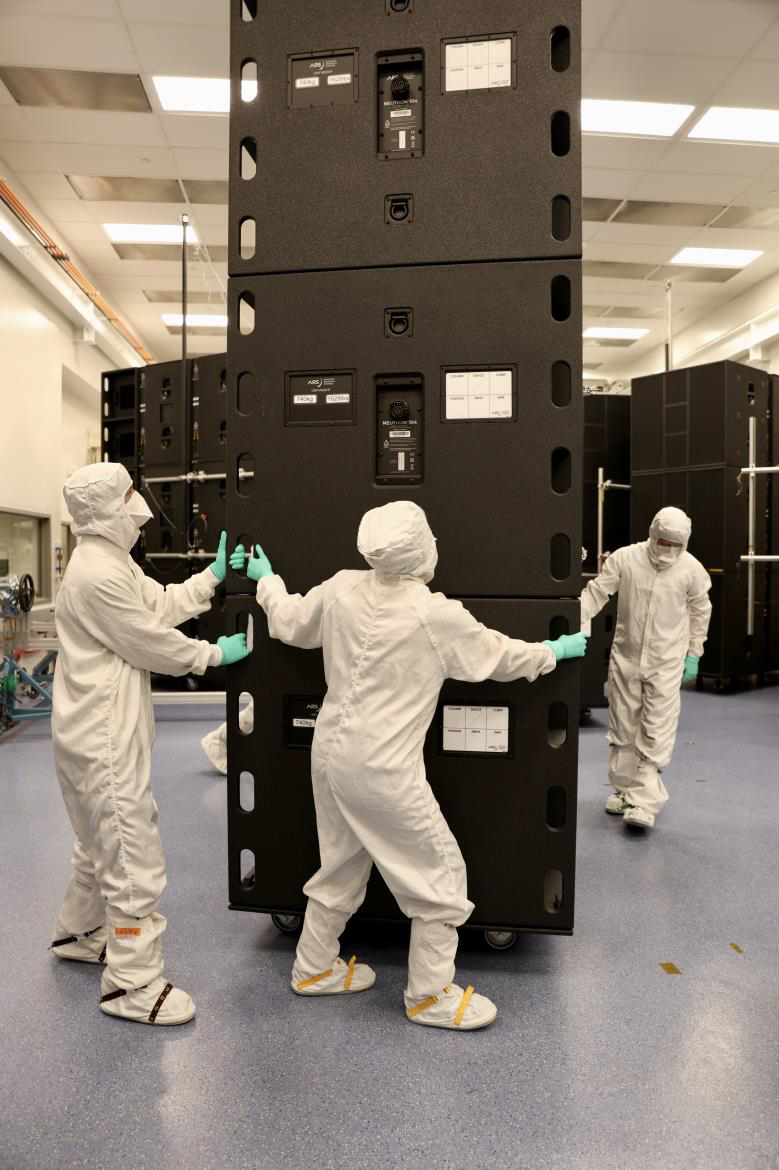
Figure 1: Technicians Working with the ARS Neutron™ System
Modal survey testing is typically performed to validate finite element models that support spacecraft qualification, coupled-loads analysis, structural certification, and environmental response prediction. The objective is not simply to identify structural modes but rather to demonstrate that the analytical model predicts the same physical behavior observed during testing. When the boundary condition is poorly understood or inaccurately represented, model updates can be driven by fixture dynamics instead of true structural characteristics. The EMA work repeatedly highlighted transportation-cart characterization, fixed-base correction, and orthogonality assessment because those topics directly affect correlation quality.
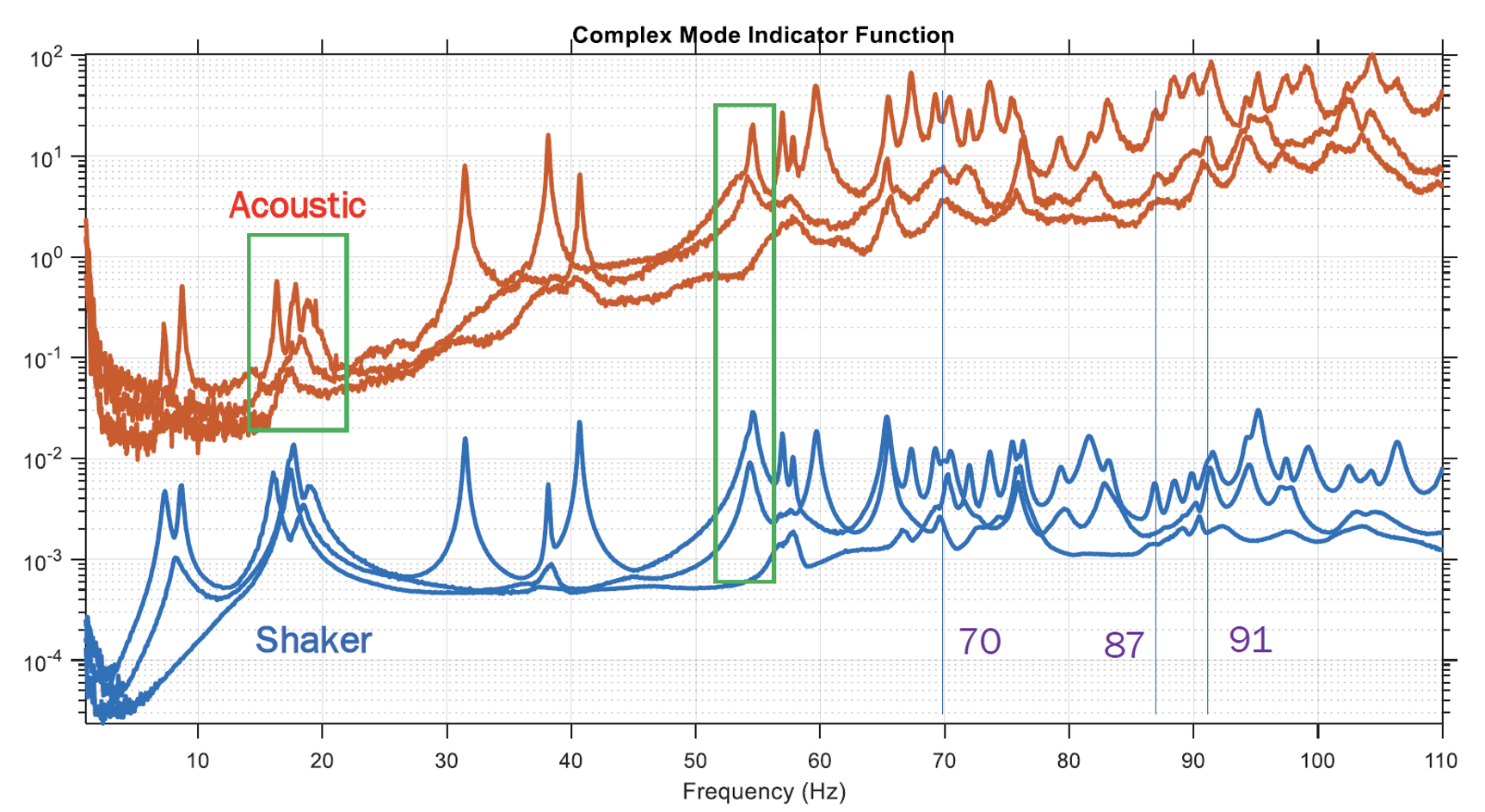
Figure 2: CMIF from Random Acoustic and Shaker Excitation
Similar to Experimental Modal Testing with stinger-mounted shakers, the analysis team has an option of using various excitation types. Random excitation can be used to broadly excite wide-frequency bands, as shown above in Figure 2. Comparisons at the lower end of the frequency range seem to indicate that shakers provide cleaner results, but the reality is that the Neutron™ system has been proven capable of producing similar results by using a multi-sine sweep method (Patented by ATA Engineering) from 1 to 25 Hz as shown in Figure 3. Though infrasonic acoustic devices are not new, the ability to produce excitation from 2 to 20 kHz is unique to the combined efforts of the system in this publication.
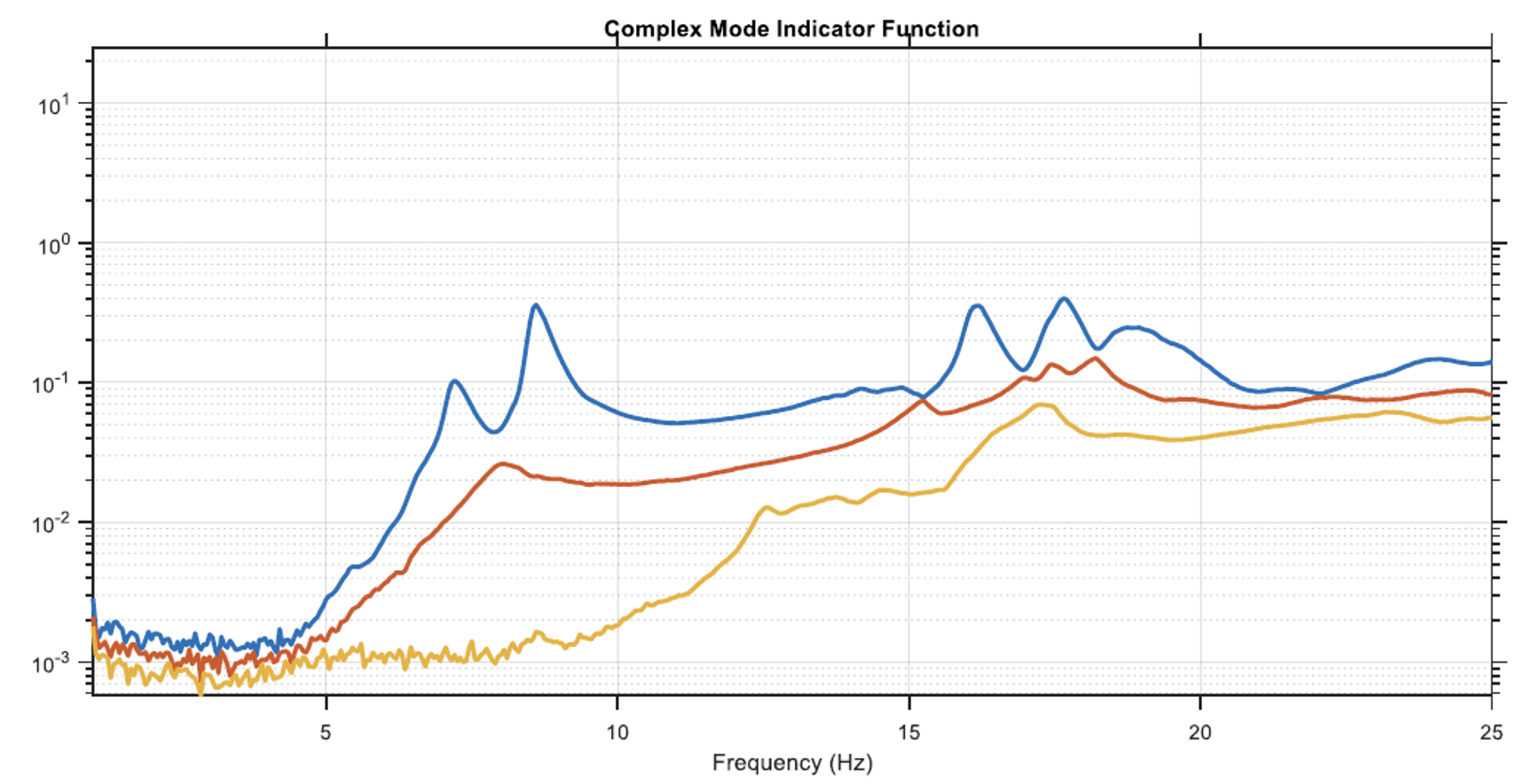
Figure 3: CMIF from Low Frequency Multi-Sine Sweeps
The presentation demonstrated that boundary-condition effects can influence measured results more significantly than the excitation source itself. Acoustic excitation and shaker excitation generated nearly identical modal results across the target frequency range, as shown in Figure 4, yet considerable effort was devoted to identifying and compensating for support-structure dynamics. This finding seems to shift the need for engineering focus toward GSE support fixtures and isolation hardware. In practice, a thoroughly characterized support system combined with a modest excitation source may provide more value than a sophisticated excitation approach operating on a poorly understood boundary.
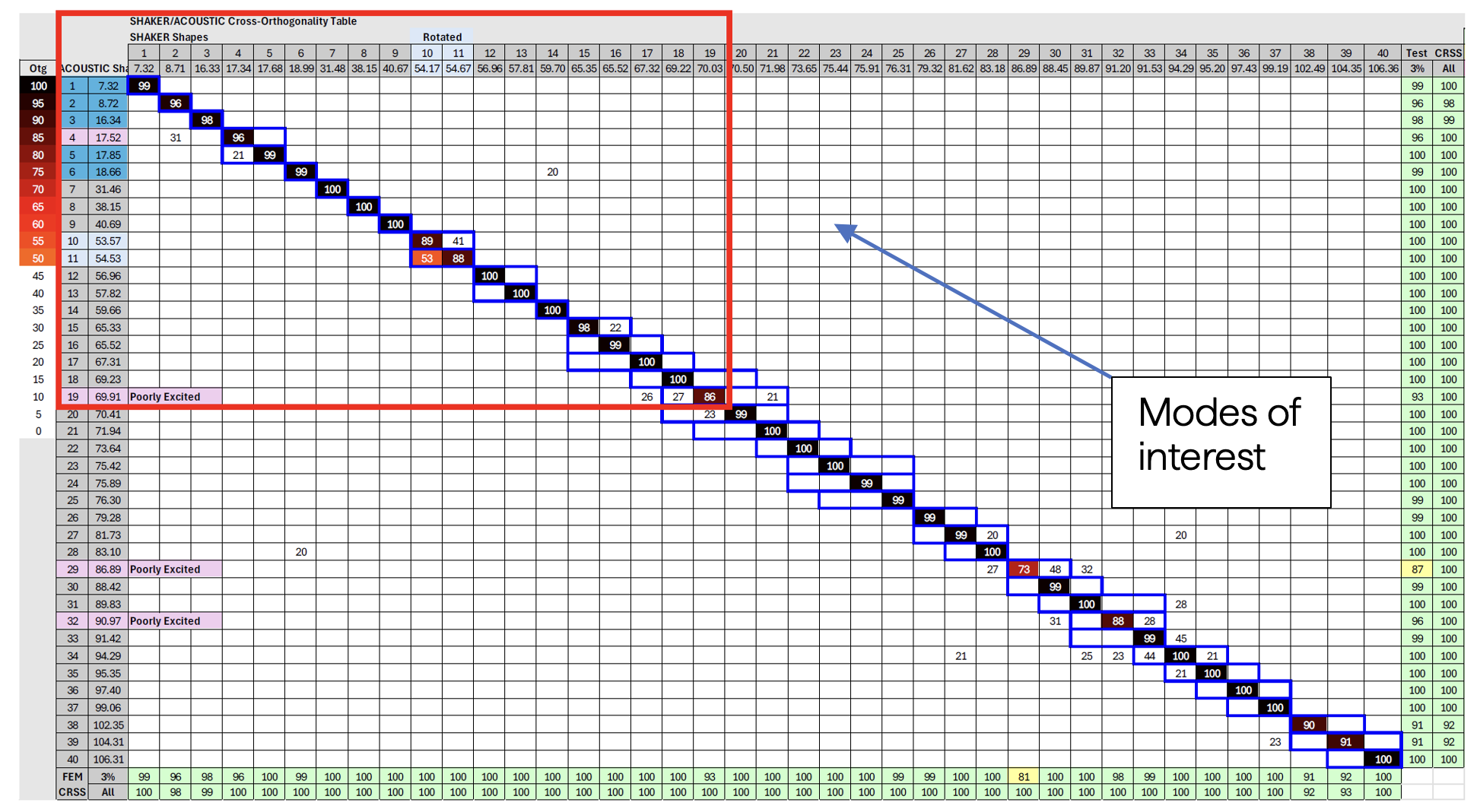
Figure 4: Shaker vs Acoustic Exciter Cross-Orthogonality
Fixed Base Correction Considerations
Organizations pursuing digital engineering, model-based systems engineering, and digital-twin initiatives should consider boundary-condition management a formal component of model validation. The GSE fixturing is often a designed outside of the considerations of structural dynamics, but this should not be the case when planning for a streamlined single-line-flow of testing, such as was demonstrated by this presentation.
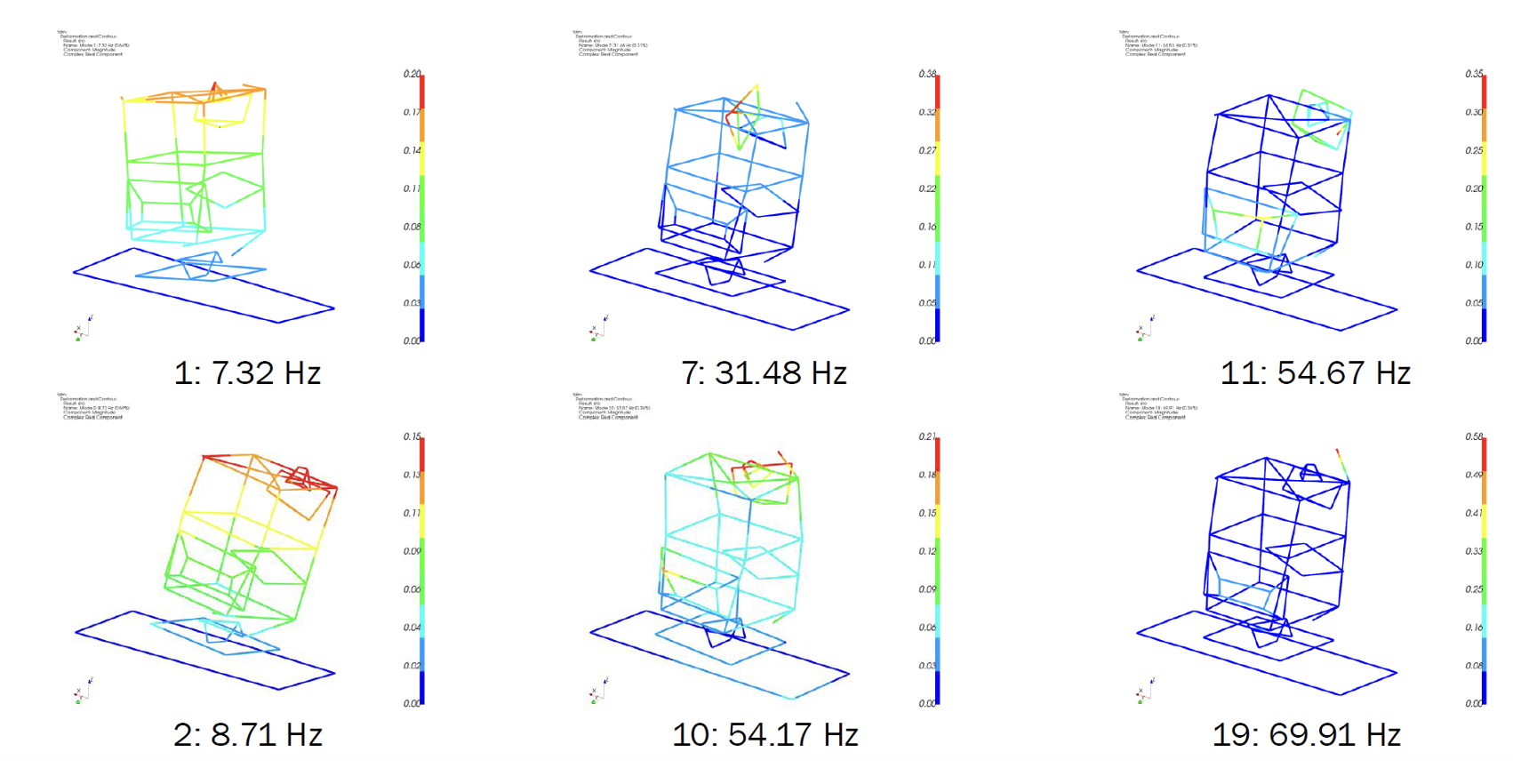
Figure 5: Examples of Test Mode Shapes from Acoustic Excitation
Constraint stiffness assumptions, isolator characteristics, support-structure dynamics, and correction methodologies should be documented and maintained with the same rigor applied to the finite element model. Doing so improves traceability between analysis and test activities while reducing the likelihood of introducing unnecessary model changes to compensate for test-fixture effects.
Conclusion
From a cost, schedule, and risk perspective, this lesson has broad implications. Aerospace companies, especially where commercial space is concerned, may benefit from vertical integration of facilities and this type of testing provides a unique opportunity: a single acoustic testing system could now service both Experimental Modal operations early in the life of the structure as well as providing iterative Launch Acoustic Qualification/Acceptance testing. For proliferated systems, this configuration is even more valuable, as some fleet-satellite manufacturers currently enjoy dynamic acceptance testing at a fraction of the cost of traditional systems.
The EMA survey demonstrates that acoustic modal testing is capable of supporting aerospace model-validation objectives, as long as attention is paid to the boundary-condition definition, measurement, and verification.
If you have an idea about additional research ARS and partners can provide, or have a specific question not answered in this application note, please contact us at info@acousticrs.com.


