Author:
Daniel Hayes
Director | Operations & Testing | Acoustic Research Systems

 Share Article


DFAN Test Personnel
There is a lot of focus on the equipment and products that enable a successful test. In a blog post last year (“Practical Considerations for DFAN Testing”), we briefly talked about the personnel behind a DFAN test. You can have the best product in the world, but you must have the proper team in place to succeed. This applies to both ARS and the customers who procure testing services from us.
Planning for a DFAN test can begin many years before the actual test. Thousands of people are involved in the planning and design of a given spacecraft. When the AIT (Assembly, Integration, and Test) phase begins, even more people are involved. Hundreds of individuals can be involved in the planning and execution of just one test. It is easy to lose sight of the time and effort that took place to get to a DFAN test when the final test is completed in just a few minutes.
Customer Personnel
I want to highlight some of the key personnel working for our customers on executing a successful test. Many other people are involved, including planners/schedulers, financial personnel, and managers/directors.
- Facility Manager/Engineer – Verifies the building is ready for a DFAN test. Coordinates ingress/egress from the test area and keeps out zones for acoustic hazards during testing.
- Manufacturing/Integration Technicians and Engineers – These are the people who are required to build the spacecraft up to the configuration needed for testing.
- Systems Engineers – Derives acoustic test and subsystem requirements for testing. Verifies that testing meets program and industry standards (Handbooks and Test Like You Fly). Derives instrumentation requirements and works with teams for placement and installation.
- Structural Analyst – Prepares predictive models of the spacecraft and assists with test planning. Often serves as the SME (subject matter expert) for DFAN or acoustic testing and acts as a data reviewer during testing.
- Electrical Engineers – Integrates electrical systems on the spacecraft, powers the spacecraft on for testing (if needed), and monitors telemetry throughout testing.
- Test Lead – The person assigned as the overall lead for the test. This individual has responsibility for both the safety of the spacecraft and the test personnel. They usually write the test procedures and often act as the customer test conductor.
- Other Test Engineers – Acoustics is typically one of the last tests during the AIT flow. Other tests must be successfully completed before getting to DFAN testing. The test engineers from other tests play a significant role in getting the spacecraft to acoustic testing on time and in the right configuration.
- Crane Operators/Riggers/Operations – Assist with truck loading/unloading and setting up the DFAN system. They also move the spacecraft in and out of the DFAN setup.
- Export Compliance Personnel – In many multinational programs, it is important to be compliant with applicable export rules. These personnel help to keep everything protected.
- Quality Assurance – All aspects of the testing process are monitored by quality assurance personnel. This can include everything from requirements verification to second-set-of-eyes checking.
- End Customer – More often than not, the customer making the spacecraft is not the ultimate customer. The end customer is usually very involved in test planning and execution; they have ultimate oversight of the spacecraft.
ARS Personnel
ARS has a small yet growing team. Our team members often have to wear multiple hats throughout the test lifecycle. These are just a few of the roles needed from the ARS team:
- ARS Management – The initial RFQ and RFP processes can significantly impact the outcome of a test. A DFAN test must be accurately quoted, and those details have to be conveyed to the operations team efficiently. It is the ARS standard to have experienced engineers involved in the initial steps of a test, helping us avoid surprises closer to test time. At the same time, we are nimble enough to respond to requirement or schedule changes.
- Structural Engineer – Every DFAN system designed for a given test must be evaluated for structural stability early in the test lifecycle. If needed, the engineer can incorporate structural elements like cross bracing. This engineering is vital for accurately quoting DFAN tests.
- Test Lead – Customer and ARS requirements need to be gathered and distilled into a master test procedure. This procedure governs all steps of testing. Our test lead will prepare procedures and plans while considering the logistics needed for testing. This person will also act as the ARS test conductor during test execution.
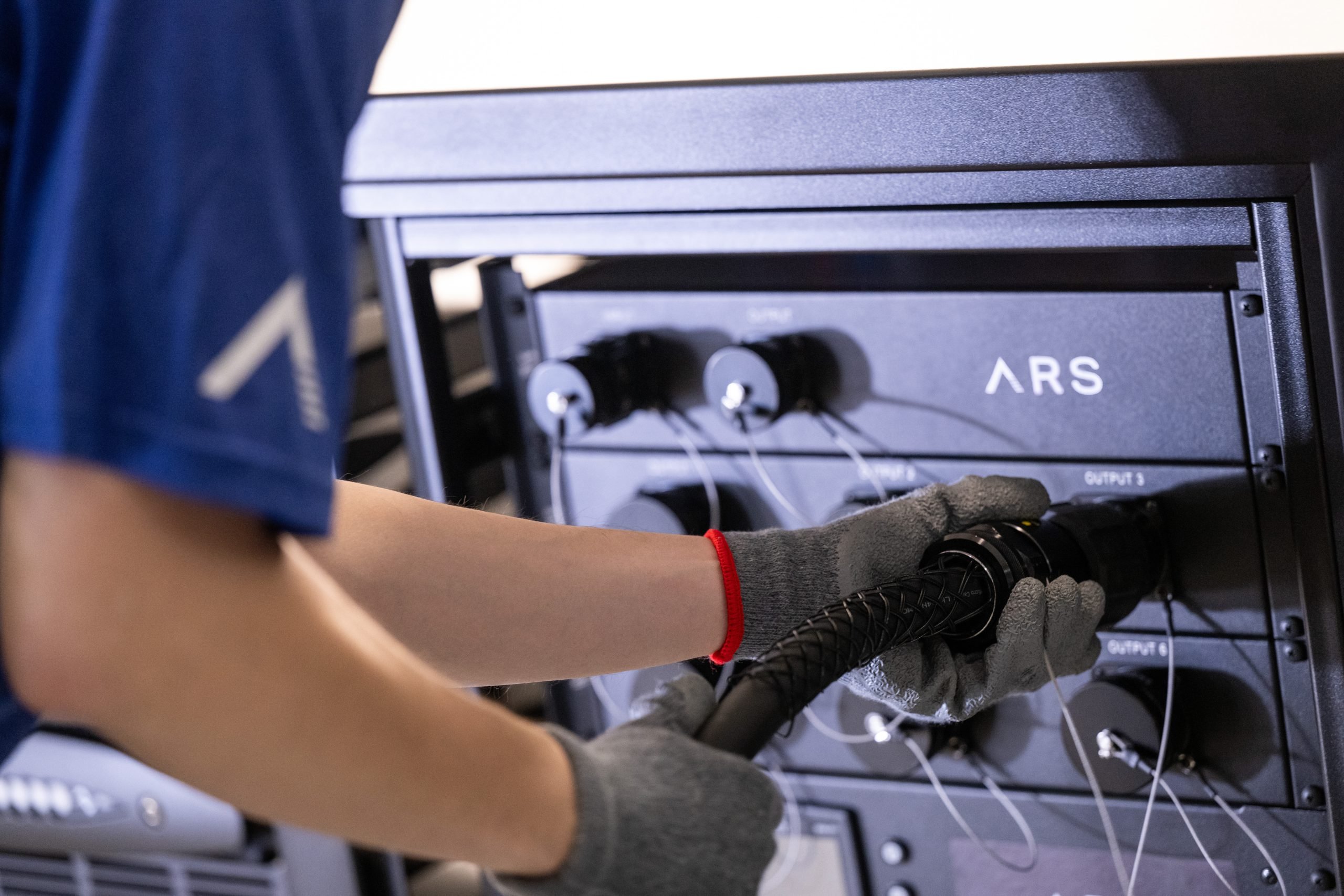
- Audio System Engineer – This is the person ultimately responsible for the proper operation of the ARS Neutron™ Knowledge of the interactions between system elements and proper troubleshooting techniques is necessary.
- Control System Engineer – For larger tests, ARS provides a control system engineer to program and operate the m+p International vibrunner-based system. This person maintains the MML (master measurement list) for the test and prepares data for transfer to the
- Quality Lead – Quality is the responsibility of everyone at ARS. With that being said, we always have a designated quality lead for test setup and execution. They serve as the main second-set-of-eyes, especially for data entry and procedure stamping.
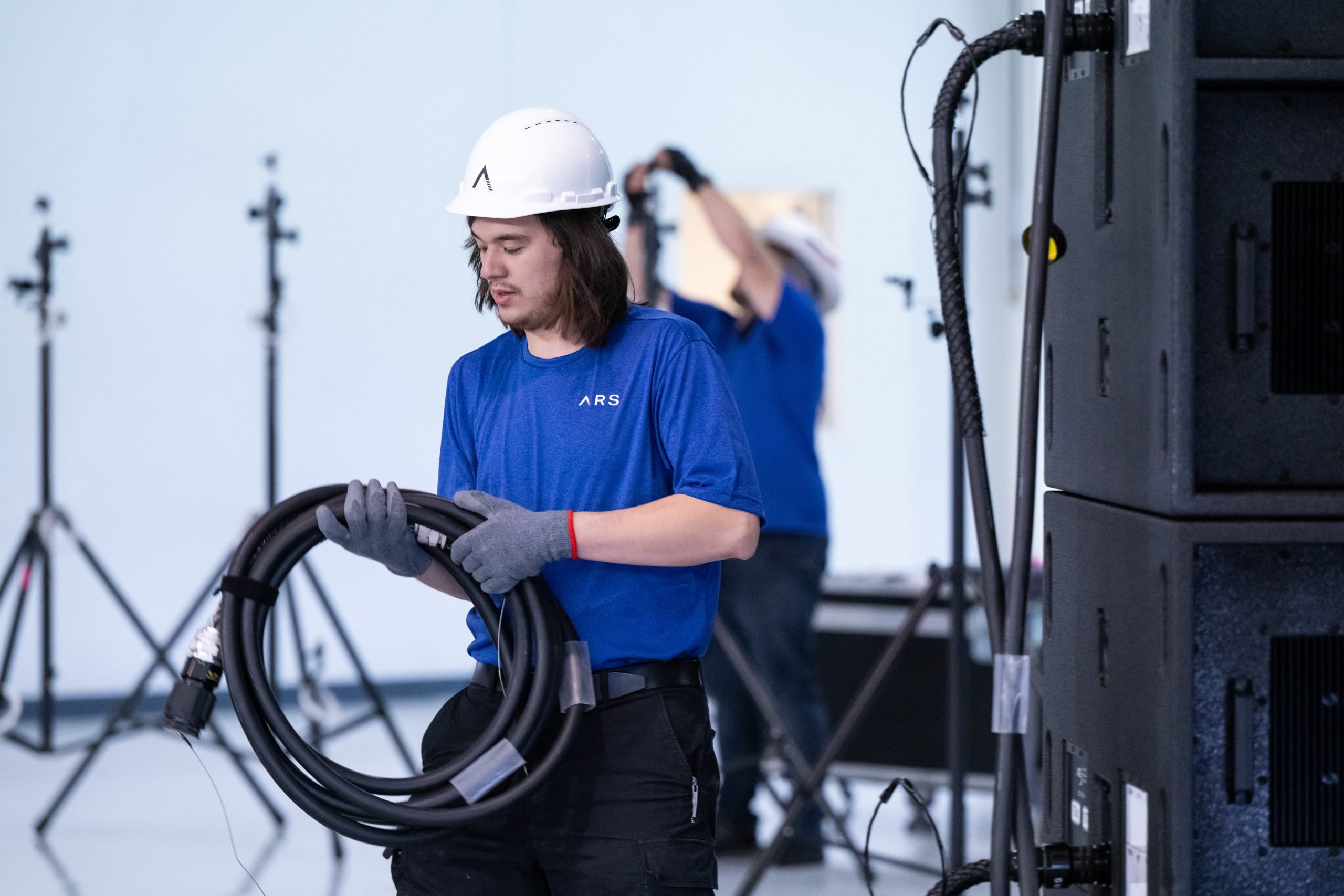
- Technicians/Engineers – For smaller tests, the individuals in the roles listed above tend to also unload trailers and set up the test environment. As the tests grow larger, ARS provides more trained technicians and engineers.
My goal with this article was to emphasize the extensive collaboration required for a successful DFAN test. Each individual, from engineers to compliance personnel, plays a crucial role in the intricate dance of preparation and execution. As we move forward, it is vital to acknowledge and appreciate the collective expertise and dedication of every team member involved. Together, we not only advance the testing process but also ensure the reliability and safety of the spacecraft we work on. A successful DFAN test is not just a reflection of the technology at work; it is a testament to the teamwork and commitment of all the personnel involved. Let us continue to foster this spirit of collaboration as we strive for excellence in every test we conduct.