Share Article


The Systems Expanding Humanity’s Reach Beyond Earth
Space exploration is entering a different phase. For decades, exploration missions were defined primarily by national programs and singular achievements — reaching the Moon, landing on Mars, or sending probes deeper into the solar system than ever before.
Today, the landscape is changing. Governments, commercial companies, and international partnerships are collectively pushing toward a future where lunar operations, deep-space science, and long-duration exploration become increasingly continuous rather than exceptional.
A Shift from Demonstration to Sustained Presence
Programs such as Artemis program are no longer focused solely on returning astronauts to the Moon. The broader objective is to establish infrastructure that can support sustained lunar activity, scientific research, and future missions deeper into space.
At the same time, robotic exploration continues to evolve rapidly. Recent missions such as OSIRIS-REx successfully returned material from an asteroid to Earth, providing insight into the origins of the solar system and the composition of near-Earth objects. Meanwhile, missions like the Perseverance rover are conducting increasingly sophisticated scientific operations on Mars, including collecting samples intended for eventual return to Earth.
Commercial and international initiatives are also accelerating. Lunar landers developed through public-private partnerships, renewed interest in asteroid resource utilization, and expanding deep-space observation programs are all contributing to a broader shift in how exploration is approached.
The emphasis is increasingly moving from reaching space once to operating there reliably over time.
Why Reliability Matters More in Deep Space
Exploration missions operate under conditions that leave very little margin for uncertainty.
Unlike many Earth-orbiting systems, a deep-space spacecraft must often function autonomously for years without physical intervention. Communication delays can prevent real-time control. Scientific instruments must remain stable across long-duration missions and extreme thermal environments. Landing systems must execute precisely after traveling millions of miles through space.
As missions become more ambitious, system complexity increases alongside them.
A modern rover or exploration spacecraft is not a single instrument. It is an integrated system of structures, sensors, power systems, communication architectures, thermal controls, and autonomous software working together in environments that cannot be fully recreated on Earth.
That complexity places increasing importance on reliability before launch ever occurs.
The Challenge of Leaving Earth
Despite the sophistication of modern exploration systems, one of the most demanding phases of any mission still takes place within minutes of liftoff.
During ascent, spacecraft are exposed to intense acoustic energy, vibration, and dynamic loading that can influence structures, instruments, and sensitive components. These environments are well understood within the aerospace industry, but their effects can be difficult to predict without rigorous environmental testing.
For exploration systems expected to operate for years without repair, understanding how hardware responds during launch is critical.
A structural response introduced during ascent may not result in immediate failure. In some cases, its effects may only emerge later during surface operations, deep-space transit, or long-duration scientific observation.
That reality becomes more important as missions grow longer, more autonomous, and more dependent on precision instrumentation.
Where Exploration Readiness Begins
Before a rover reaches the lunar surface or a spacecraft begins studying distant objects, much of its readiness is established on the ground.
Testing environments designed to simulate launch conditions allow engineers to evaluate how systems respond under stress and validate performance before flight. The objective is not only to confirm survivability, but to reduce uncertainty before missions enter environments where repair or recovery may be impossible.
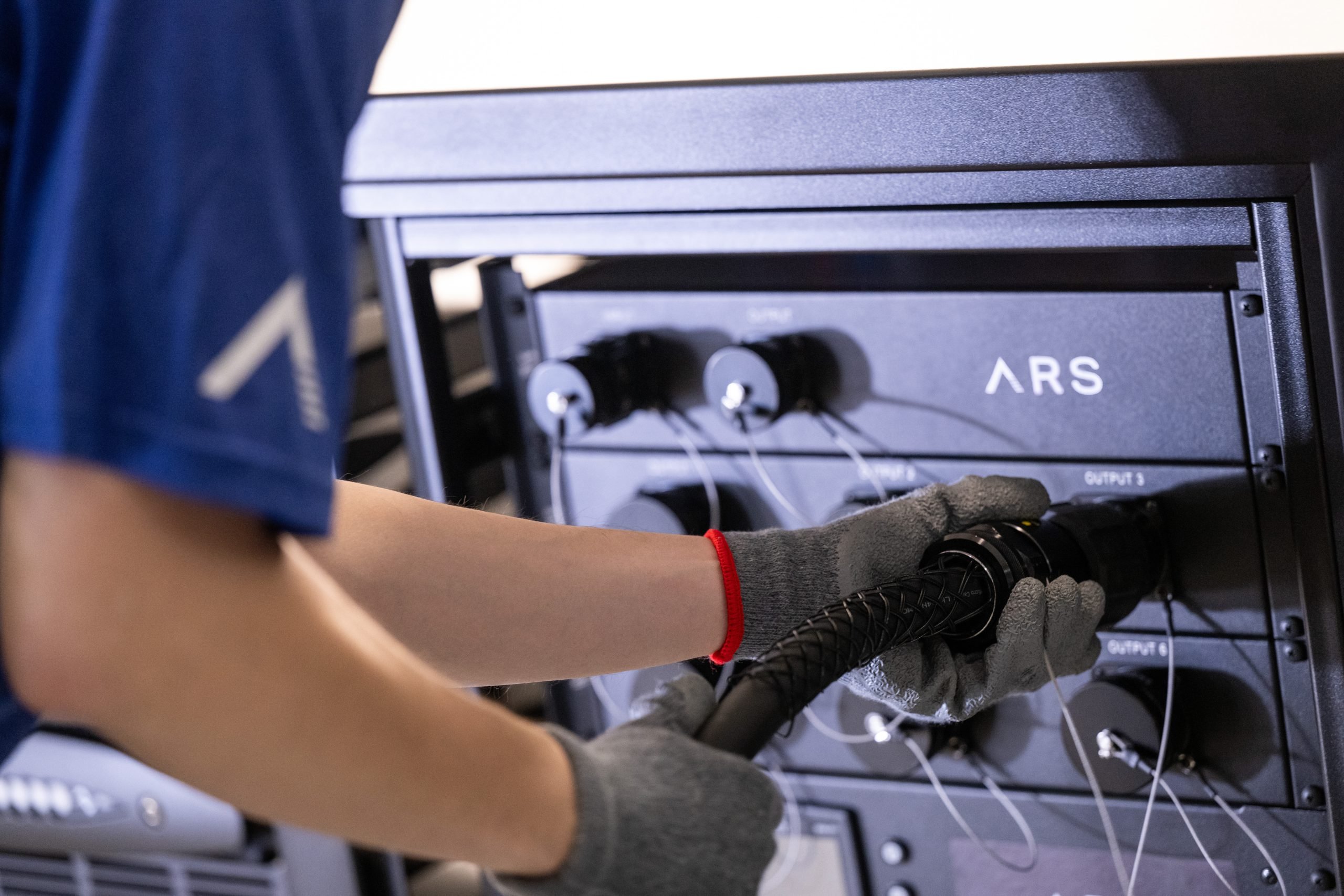
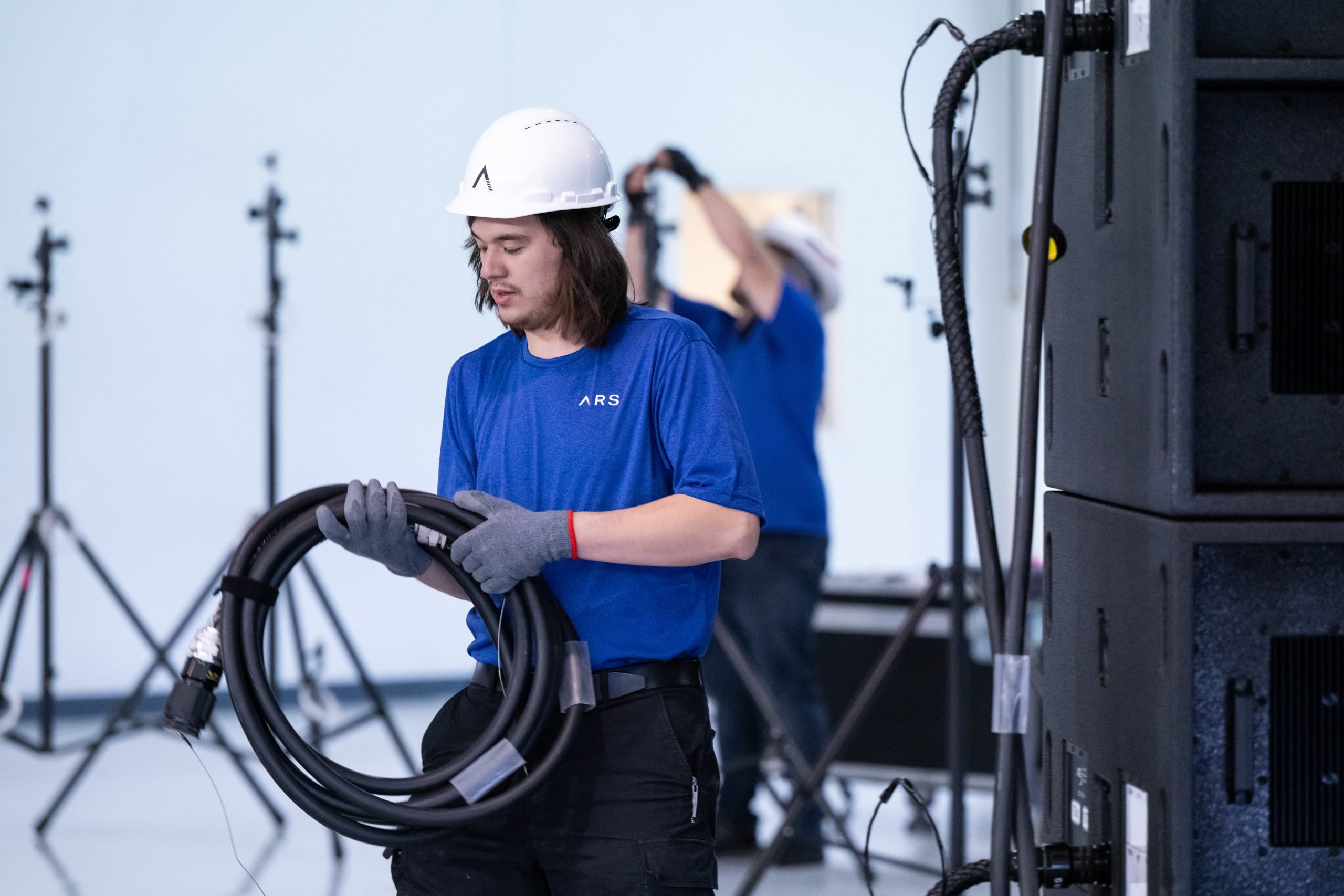
At ARS, this work forms part of a broader effort to support mission assurance through acoustic testing systems designed to replicate the demands of launch. As exploration programs continue shifting toward sustained operations and increasingly complex missions, confidence in system performance becomes foundational to mission success.
Why Exploration Continues to Matter
Exploration missions expand scientific understanding in ways that influence both future spaceflight and life on Earth.
Planetary science missions contribute to research on the origins of the solar system and the history of water and organic materials in space. Lunar programs are shaping technologies related to long-duration habitation, robotics, energy systems, and autonomous operations. Asteroid observation and sampling missions continue improving scientific understanding of near-Earth objects and planetary defense strategies.
At the same time, technologies developed through exploration programs frequently contribute to advancements in materials science, communications, imaging systems, robotics, and computing applications used well beyond the space industry.
Exploration may begin with reaching further into space. But its impact rarely stays there.